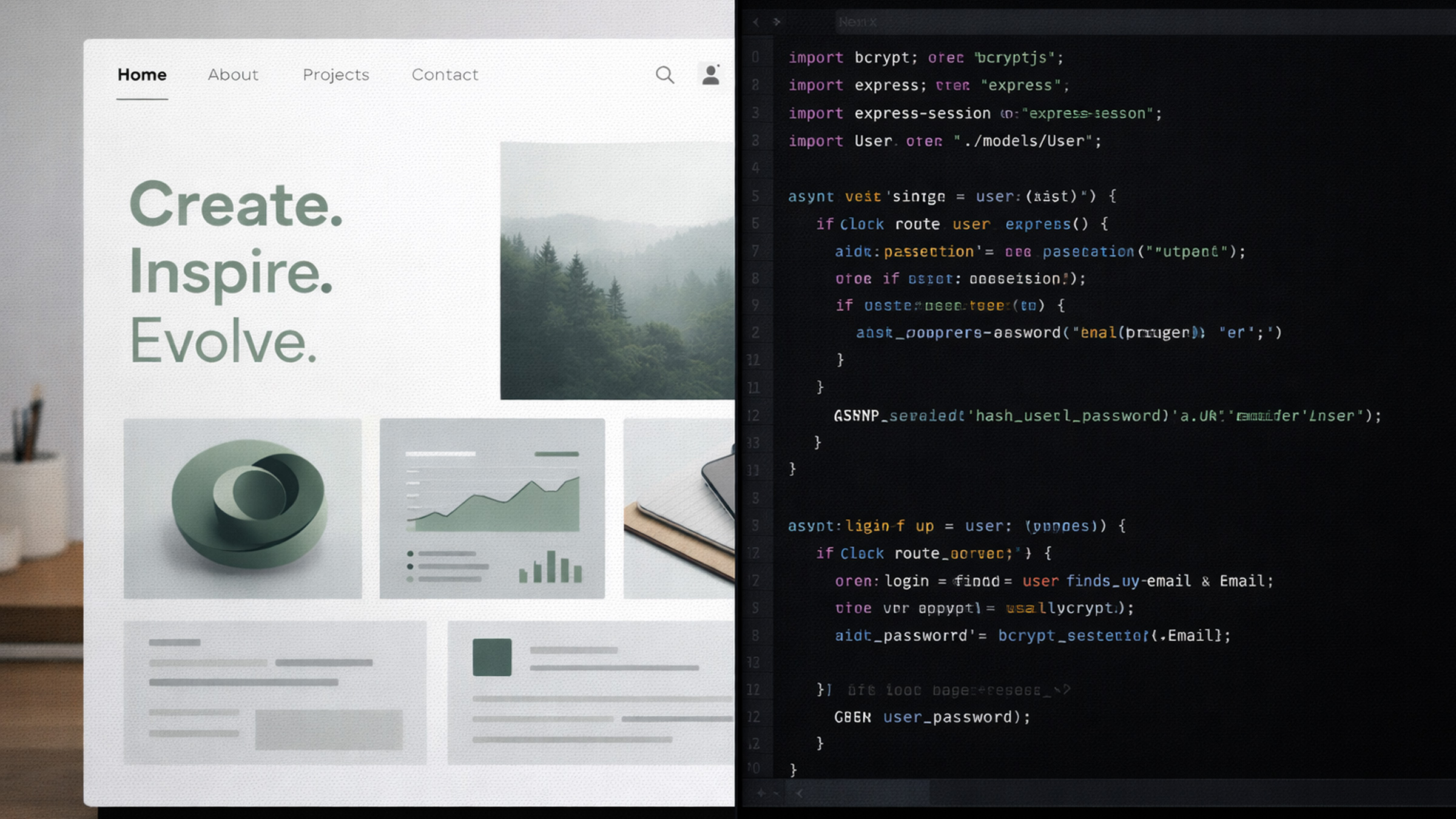
If you’ve spent any time researching how websites get built, you’ve probably stumbled across the terms front-end and back-end development about a thousand times. And if you’re still not 100% sure what the actual difference is, don’t sweat it, you’re in very good company.
Here’s the quick and dirty version: front-end development is everything you see and interact with when you visit a website. Back-end development is everything happening behind the scenes that makes it all actually work. Pretty straightforward, right?
Well, kind of. In 2026, both sides of the stack have gotten seriously complex. Front-end developers aren’t just arranging pixels anymore, they’re building full applications inside the browser. And back-end developers? They’re wrangling databases, APIs, security layers, and infrastructure that needs to handle real-world traffic without falling apart.
Whether you’re a business owner trying to figure out what kind of developer to hire, a student deciding which career path to go down, or just someone who’s genuinely curious about how the internet actually works, this guide breaks down front-end vs back-end development from top to bottom. We’ll cover what each side does, how they’re different, where they overlap, what they pay, and which one your project actually needs.
No jargon overload, no fluff. Let’s get into it.
What Is Front-End Development
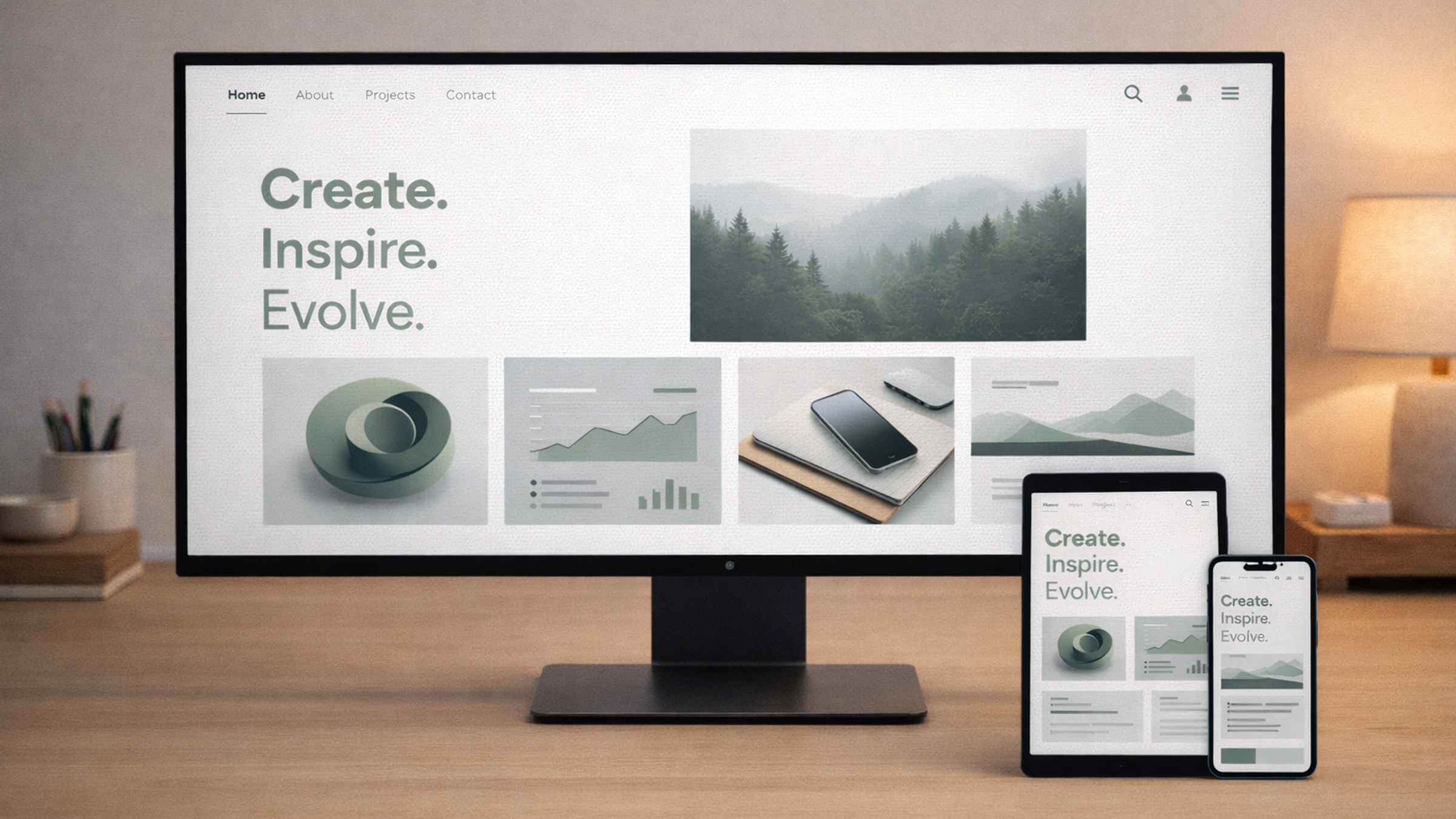
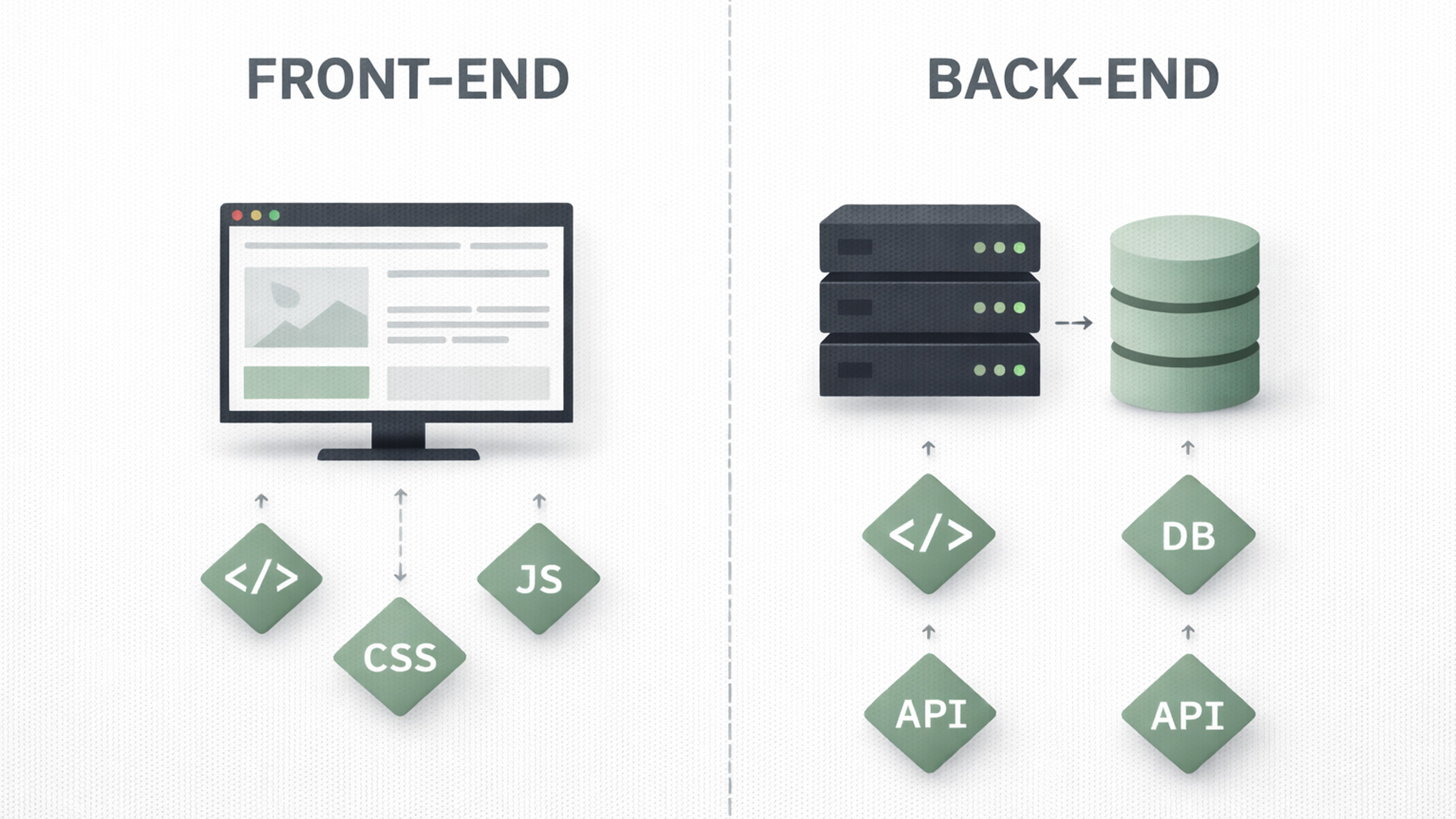
Front-end development (also called client-side development) is all about what happens inside the browser. Every button you click, every animation you see, every form you fill out, every dropdown menu you open, that’s front-end work.
The building blocks haven’t changed: HTML for structure, CSS for styling, and JavaScript for interactivity. These three have been powering the web for decades, and they’re still the foundation of everything. If you want to go deep on any of them, MDN Web Docs is basically the holy bible of web documentation.
But here’s where it gets spicy. Front-end development in 2026 is way more than “make it look nice.” Modern front-end engineers work with powerful frameworks like React, Vue, and Angular that turn the browser into a full application runtime. We’re talking state management, client-side routing, real-time data fetching, offline support, the whole nine yards.
And performance? It’s not just a nice-to-have anymore. Google’s Core Web Vitals directly tie your page speed and responsiveness to how well you rank in search results. A slow front-end doesn’t just annoy visitors, it tanks your visibility. In competitive markets, milliseconds genuinely matter.
Here’s what a front-end developer typically handles:
- Building responsive layouts that work on every screen size
- Implementing interactive UI components and animations
- Connecting to back-end APIs to display dynamic data
- Optimizing load times and performance metrics
- Ensuring accessibility for all users, including those using screen readers or keyboards
- Cross-browser testing and debugging
Think of the front-end as the dining room of a restaurant. It’s the lighting, the menu design, the table layout, the music in the background. When it’s done well, everything just feels right. When it’s done poorly, you notice immediately and probably walk out.
The Stack Overflow Developer Survey 2024 shows JavaScript still dominating as the most-used language among professional developers, with TypeScript growing fast right behind it. If you’re getting into front-end, those two are your bread and butter.
Front-end developers answer one essential question: does this product feel fast, intuitive, and reliable to the person using it?
What Is Back-End Development
If the front-end is the dining room of a restaurant, the back-end is the kitchen, the supply chain, the inventory system, and the security cameras all rolled into one. It’s everything the user never sees but absolutely cannot live without.
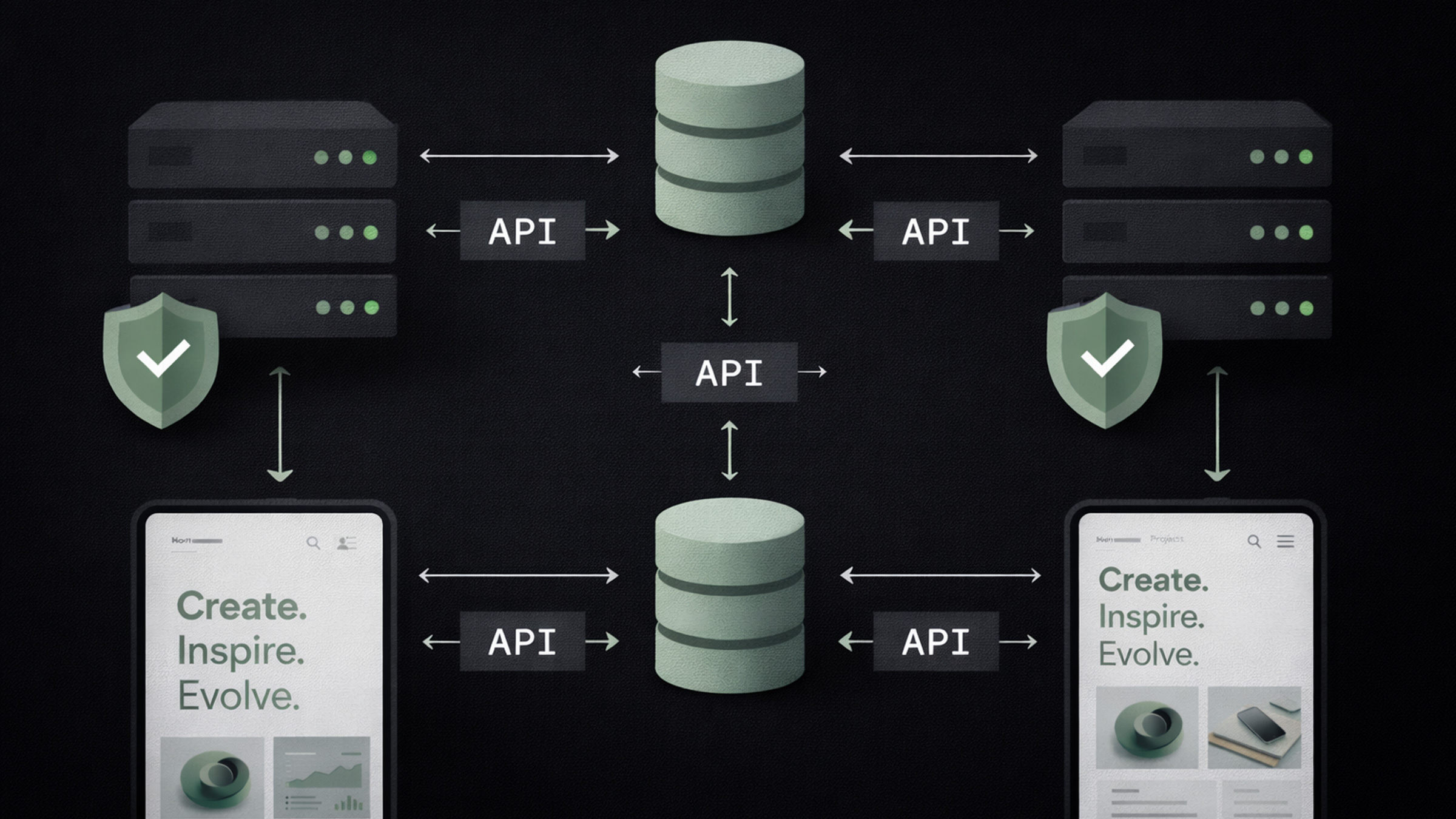
Back-end development (or server-side development) handles the logic, data, and infrastructure that power a website or application from behind the scenes. When you log into your account, submit a payment, search for a product, or load your personalized dashboard, the back-end is doing all the heavy lifting.
The most popular back-end technologies in 2026 include Node.js (JavaScript running on the server), Python, and Java. These connect to databases like PostgreSQL, MongoDB, and MySQL, handle user authentication, process business logic, and expose APIs that the front-end communicates with.
Here’s what back-end developers typically manage:
- Server configuration and deployment
- Database design, queries, and optimization
- API architecture (REST, GraphQL)
- User authentication and authorization
- Data validation and security enforcement
- Scalability and load handling
- Compliance with regulations like GDPR
Now here’s the thing, the stakes on the back-end are higher when things go wrong. A front-end bug might make a button look a bit funky on one browser. A back-end bug can expose thousands of users’ personal data, crash the entire system, or put you in violation of data protection laws. Fun times.
That’s not to say one side is more important than the other, they’re both essential. But the failure modes are completely different. Front-end issues are usually visible and fixable fast. Back-end issues can compound silently for weeks or months until something breaks in a spectacular, very public way.
Security is a massive part of back-end work. Encryption, input validation, rate limiting, access control, these aren’t optional extras. They need to be baked in from day one, not bolted on as an afterthought.
Back-end development answers a fundamentally different question: can this system handle real-world load, failure, and growth without breaking?
Front-End vs Back-End: The Key Differences
Now that you know what each side does on its own, let’s put them head to head. Because understanding the difference between front-end and back-end development isn’t just trivia, it genuinely changes how you plan, build, and budget for web projects.
The simplest way to think about it: front-end optimizes perception. Back-end safeguards integrity.
What falls under perception:
- How fast does the site feel to use?
- Is the interface clear and intuitive?
- Do interactions respond instantly?
- Can everyone use it, regardless of ability or device?
What falls under integrity:
- Is the data consistent and secure?
- Can the system handle unexpected traffic spikes?
- Are failures contained and recoverable?
- Does it comply with relevant regulations?
A Real-World Example
Here’s a scenario that plays out more often than you’d think. Imagine a SaaS startup gaining traction fast. The interface is gorgeous, the marketing is on point, users are signing up left and right. Everything looks amazing on the surface.
But under the hood, the database queries were never optimized, and the concurrency assumptions were way too conservative.
At 10,000 users? Smooth sailing. At 200,000 users? Things start getting sluggish. At 1 million users? Full-blown outages.
The product didn’t fail because of design aesthetics. It failed because the architecture wasn’t built for scale. That’s a back-end problem, plain and simple.
This is exactly why mature development teams clearly separate front-end and back-end ownership. The risks are different, the skill sets are different, and the mitigation strategies are completely different. A weak front-end loses customers one by one through frustrating experiences. A weak back-end can take your entire operation down overnight. Both matter, but the way they fail is worlds apart.
If you want to see how the design side of things is evolving alongside these technical shifts, check out our guide to web design trends shaping 2026.
Full-Stack Development: Best of Both Worlds?
You might be wondering: can’t one developer just handle both? That’s where full-stack developers come in, people who work across the entire stack from browser to server.
Full-stack developers are real, they’re valuable, and they’re everywhere. But here’s the thing people get wrong: full-stack doesn’t mean you get two specialists for the price of one. It means you get one person navigating two very different cognitive domains, interface design and systems architecture.
In early-stage projects, full-stack developers are absolute gold. When you’re building an MVP or iterating fast, having someone who can jump between the front-end and back-end without waiting on a handoff saves a ton of time and money.
But as projects grow, specialization starts to matter a lot more. Once you’re dealing with microservices, distributed databases, global deployments, or strict security requirements, you really want dedicated people who go deep on their side of the stack.
Here’s an interesting 2026 angle: AI-assisted coding tools are speeding things up across the board. GitHub’s Octoverse report highlights how AI is accelerating development velocity. But here’s the catch, AI increases output speed, it doesn’t replace architectural judgment. You still need people who understand why a system is designed the way it is, not just how to write the code.
The full-stack role isn’t going anywhere. But the idea that one person can truly master both sides of the stack? That’s getting tougher every year, because both ends keep getting more complex.

Salaries and the Job Market in 2026
Let’s talk money, because that’s probably what a lot of you are really here for.
The web development job market is looking strong. According to the U.S. Bureau of Labor Statistics, software developer employment is projected to grow 15% from 2024 to 2034, which is way faster than the average for all occupations. That’s roughly 287,900 new jobs entering the market over the next decade.
Here’s the salary snapshot (BLS, May 2024 data):
- Median annual pay (all software developers): $131,450
- Software developers specifically: $133,080
- QA analysts and testers: $102,610
Quick note: the BLS groups front-end and back-end developers together under “software developers,” so there isn’t a perfectly clean split in the government data. In practice, compensation depends more on the complexity of the systems you work on, the company size, and how much architectural responsibility you carry than on which side of the stack you chose.
Both paths pay well. Both paths have strong demand. The better question isn’t “which pays more?” but “which one fits how your brain works?”
Which One Does Your Project Actually Need?
If you’re a business owner or founder reading this, here’s the practical breakdown.
Building an MVP or early-stage product? Start with a full-stack developer or a small, flexible team. Speed and iteration matter more than deep specialization at this stage. You need someone who can wear multiple hats and get things shipped.
Scaling and growing fast? Time to define clear ownership. Bring on front-end specialists who obsess over performance, UX, and accessibility. Get back-end engineers who live and breathe databases, APIs, and infrastructure.
Working in a regulated industry? Finance, healthcare, government, anything with strict compliance requirements, back-end governance is non-negotiable. You need engineers who understand data protection, security, and audit trails at an architectural level.
Not sure where to start? Honestly, most web projects need both. A gorgeous front-end that’s slow, insecure, or can’t handle traffic is just as problematic as a bulletproof back-end with a UI that nobody wants to use. The magic happens when both sides work in sync.
If you’re planning a web project and want to make sure both sides are covered properly, that’s literally what we do.
Frequently Asked Questions
What is the core difference between front-end and back-end development?
Front-end development handles everything the user sees and interacts with in the browser, layout, buttons, animations, responsiveness. Back-end development manages server-side logic, databases, authentication, and infrastructure. One shapes the experience, the other powers it.
Which is more important, front-end or back-end?
Both are critical. Front-end directly impacts user experience and conversion rates. Back-end ensures reliability, security, and scalability. Neglecting either one will cost you, it’s just a matter of whether the pain shows up immediately or builds up over time.
Can one developer handle both front-end and back-end?
Yes. Full-stack developers work across both domains and are especially valuable in early-stage projects. However, larger or more complex systems usually benefit from dedicated specialists on each side.
Does front-end or back-end pay more?
Compensation depends more on the complexity of the systems you work on and your level of architectural responsibility than on which side of the stack you specialize in. Both paths pay well, with median salaries above $130K according to 2024 BLS data.
Will AI replace front-end or back-end developers?
AI tools are making developers faster and more productive, but they don’t replace architectural thinking, security expertise, or design judgment. Developers who leverage AI effectively will thrive, but the roles themselves aren’t going anywhere.